

I vårt tidigare inlägg Digital Twin – Arnold eller Danny? introducerade vi vår syn på vad en Digital Twin är för något och definierar den som en:
Standardiserad funktionell struktur med tillhörande beteckningssystem som innehåller installerade artiklar, reservdelar, individer samt dokument upplagt i ett anläggningsregister som kontinuerligt uppdateras i ett underhållssystem.
Det är en mening med ett innehåll som kan vara lite svår att tugga i sig. Om vi istället styckar upp den, vänder på steken och försöker förklara en Digital Twin med anatomiska termer, blir det lättare att smälta då? Vi börjar med den standardiserade funktionella strukturen med tillhörande beteckningssystem.

Standardiserad funktionell struktur med tillhörande beteckningssystem
Att förklara vad en funktionell struktur är för någon som aldrig hört det tidigare kan liknas vid att bjuda på isglass i en bastu. Det är möjligt att man får sig ett smakprov men det är inte en chans att man äter hela glassen.
Men om vi fortsätter på det anatomiska temat kan den funktionella strukturen liknas vid ett skelett där samtliga delar utför en funktion i en större helhet. Alla ben bidrar till helheten men ett ben kan bytas ut samtidigt som den övergripande funktionen blir den samma. Likt en protes eller för den delen reservdelar till en motor.
Det är just av den anledningen som det är viktigt med funktion som begrepp i ett underhållssystem, för delar byts kontinuerligt ut men den sammanlagda uppföljningen och historiken vill man ha på funktionen. Litegrann som om du skulle behöva byta ut mätaren på bilen. Du bryr dig inte hur många mil just den mätaren har räknat upp utan den totala mätarställningen.
Dessutom är ritningar och scheman som beskriver en maskin alltid baserade på funktion vilket gör det till en sömlös övergång att representera maskinen som en Digital Twin i systemet där du enkelt kan se kopplingen mellan verkligheten och din information.
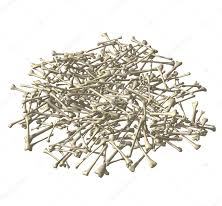
Men struktur då? Varför ska man ha det? Jo, enkelt förklarat för att du ska ha en chans att hitta rätt funktion och information om din anläggning. Utan strukturen blir ditt skelett istället en hög av ben!
Slutligen kommer man behöva ett beteckningssystem och då finns det en världsledande standard som kallas RDS (Reference Designation System) och som går att applicera på alla typer av anläggningar (ja alla!).
RDS är ett identifieringssystem som ger oss konsekventa regler för namngivning och strukturering av de olika system och enheter som ingår i en anläggning. Detta gör att man aldrig blandar ihop två funktioner eller delar som liknar varandra. Tänk dig att du bryter en tumme men har ingen möjlighet att berätta för läkaren om det är höger eller vänster. Precis som att alla ben i kroppen har unika namn behöver även delarna i en anläggning vara unikt identifierbara.
Det finns otroligt många fördelar när du väl har en Standardiserad funktionell struktur med tillhörande beteckningssystem på plats men dom främsta är:
- Tiden för att hitta rätt information minskar drastiskt.
- Möjligheten att det faktiskt är korrekt och uppdaterad information om dina tillgångar ökar markant och trovärdigheten på ditt system ökar.
- Korrekt och uppdaterad information bidrar till större användning och blir en positiv spiral eftersom det finns incitament att hålla informationen ständigt uppdaterad.
- Det ser alltid likadant ut i systemet och allt kan samlas på ett ställe. Oavsett var i organisationen eller världen man sitter så delar man samma bild över status på sina anläggningar.
- För organisationer som vill jobba mer med ”Predictive Maintenance” snarare än förebyggande och reaktivt underhåll är detta en grund som först måste byggas.
- Du kan kravställa leverantörer att lämna ritningar och information enligt en standard vilket gör integrationen och informationsflödet från tredje part mycket enklare.
- Har man ambitioner för Industri 4.0 med automatisering, machine learning och nyttjandet av IoT-sensorer är det mer eller mindre en förutsättning att först ha kontroll och struktur på sina anläggningar.
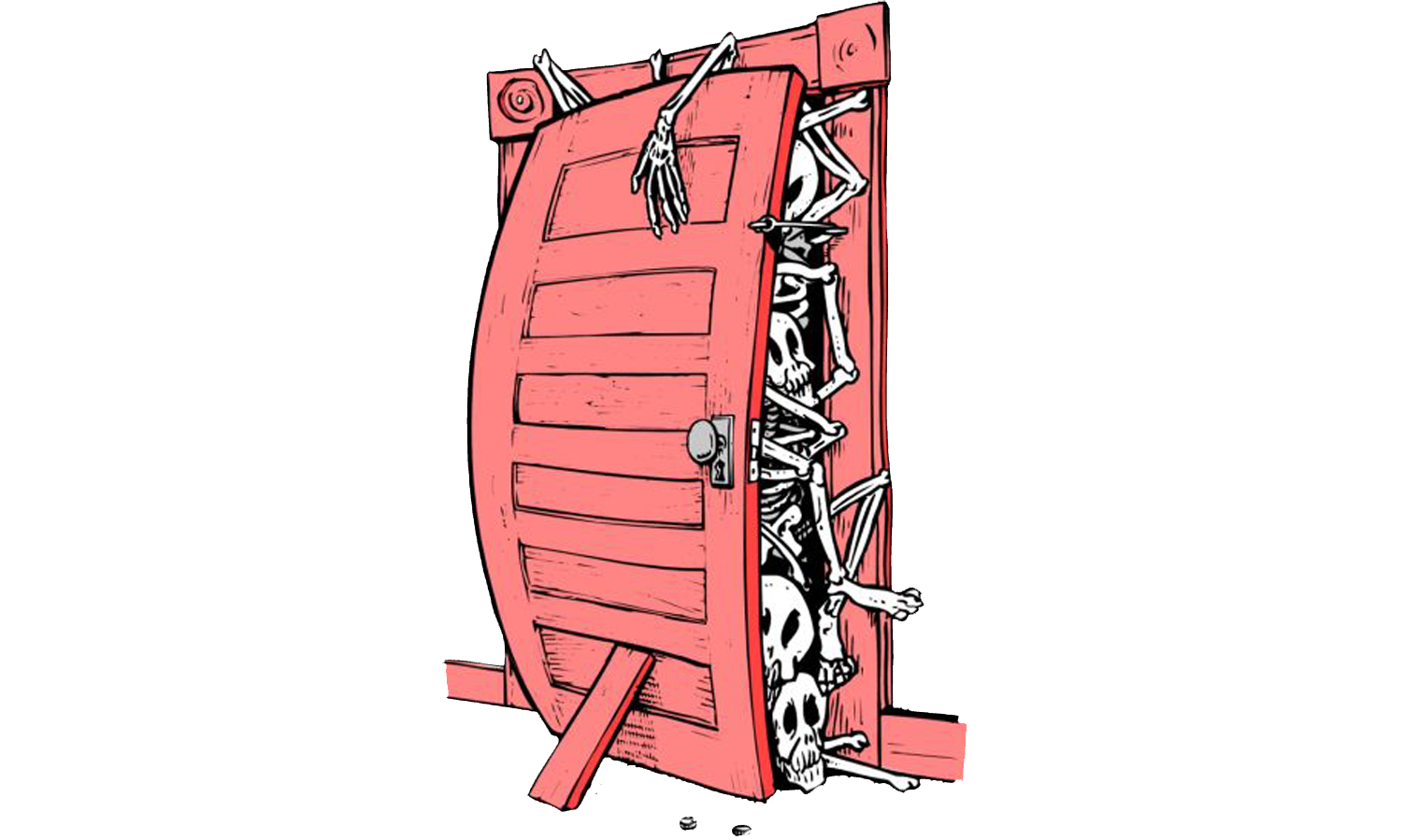
Så hur ser det ut hos er? Har ni några skelett i garderoben eller ligger det kanske något lik begravet?
Är det något ni behöver hjälp med, tveka inte på att hör av er till nyfiken@sqlsystems.se!