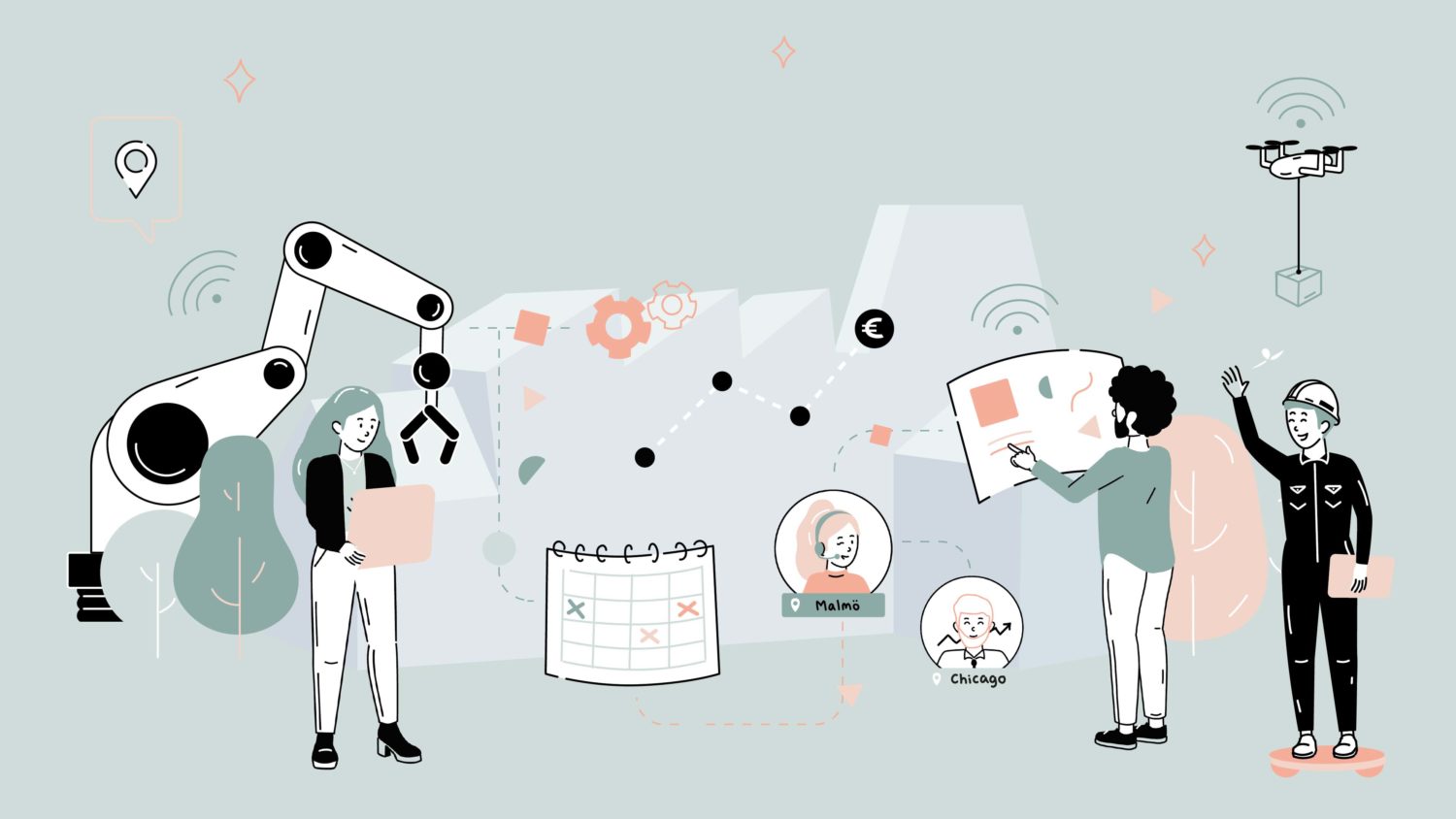


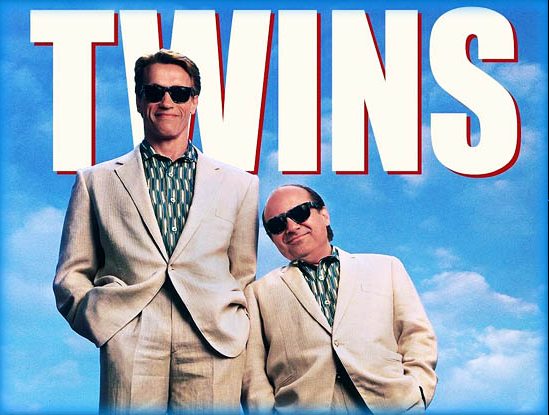
Many people who talk about Digital Twins usually do so in the context of Industry 4.0, Predictive Maintenance, or IoT sensors that collect vast amounts of data, where AI and Machine Learning then work their magic. Simply put, these are major and exciting innovations that will take production, manufacturing, and service/maintenance into the future.
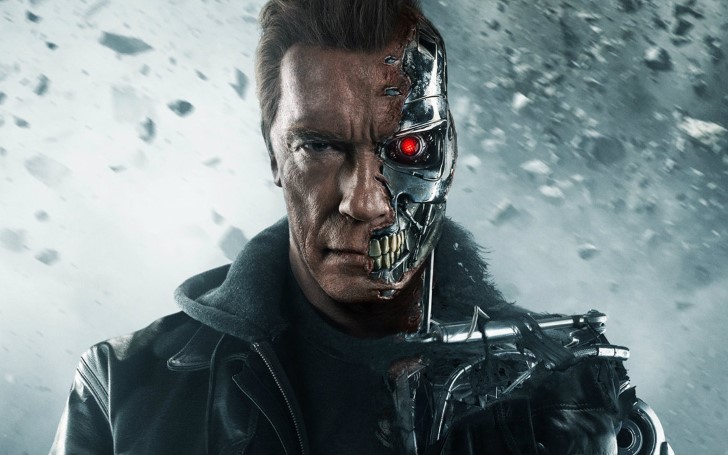
When we at SQL define a Digital Twin, we do so as a:
Standardized functional structure with associated designation system containing installed items, spare parts, individuals, and documents stored in a facility register that is continuously updated in a maintenance system.
But if you want to be able to provide accurate feedback to design and engineering on how a product or machine has actually performed after commissioning, or if you want to be able to act on the data transmitted by an IoT sensor, then the underlying information about your machine or facility must be up to date and structured in such a way that you have a reliable digital representation of your physical asset. You need your Danny.
Today, many companies have their information spread across different three-letter systems such as ERP, PLM, or EAM (maintenance). Poor synchronization between departments and systems makes it impossible to obtain a consistent and clear picture of a machine's current status.
Add to that the fact that much of the most important information can only be found in a variety of drawings that may only exist in paper form in a binder somewhere. Alternatively, these have been "digitized" and scanned as PDFs, but the content is not searchable.
Trying to make a go of Industry 4.0 under these conditions is certainly no easy task, but at the same time, it is the reality for most people. Time, money, and resources are invested in Arnold, but they forget to give Danny the love needed for the film to have a happy ending.
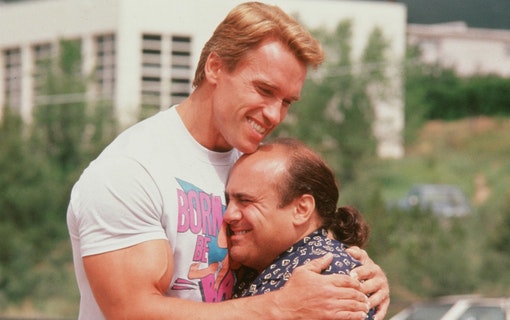
How does it look for you? Is Danny as important as Arnold? Can you succeed with your Industry 4.0 initiatives despite inadequate information management across your facilities?
At SQL Systems, we have been working with the structure and information that make up a Digital Twin since our inception in 1985. Through a series of blog posts, we intend to break down and share our experience and views on what is required for successful implementation and long-term management.
Want to know more about digital twins? Email us atnyfiken@sqlsystems.se or follow us on LinkedIn!